Nvidia 推出 Halos for Robotics 安全架构
Nvidia's big bet on physical AI aims for safer robotaxis, humanoid robots
评分 51
导读
Nvidia 在 2025 年推出 Halos 系统,为自动驾驶汽车等自主车辆提供硬件与软件安全护栏工具;2026 年 6 月又宣布 Halos for Robotics,把安全架构扩展到仓库自主移动机器人、工厂人形机器人和手术机器人。Nvidia 机器人生态与边缘计算负责人 Amit Goel 称,随着 AI 模型与机器人硬件能力提升,安全正成为下一个瓶颈,Halos for Robotics 意在解锁这些系统的能力。
推荐理由
材料给出 Nvidia 从自动驾驶延伸到机器人安全架构的产品路径,可观察物理 AI 落地前安全层如何被布局。
主体与标签
Nvidia#产品更新#具身智能#安全/对齐#部署/工程#行业动态
正文
Investors bullish on AI data centers may be fueling Nvidia’s multi-trillion-dollar market capitalization, but the AI chipmaker has also bet billions of dollars on physical AI technologies such as robotics and self-driving cars. Part of that gambit has involved Nvidia developing a full-stack safety system that companies can build upon to reduce the risk of their machines harming nearby people.
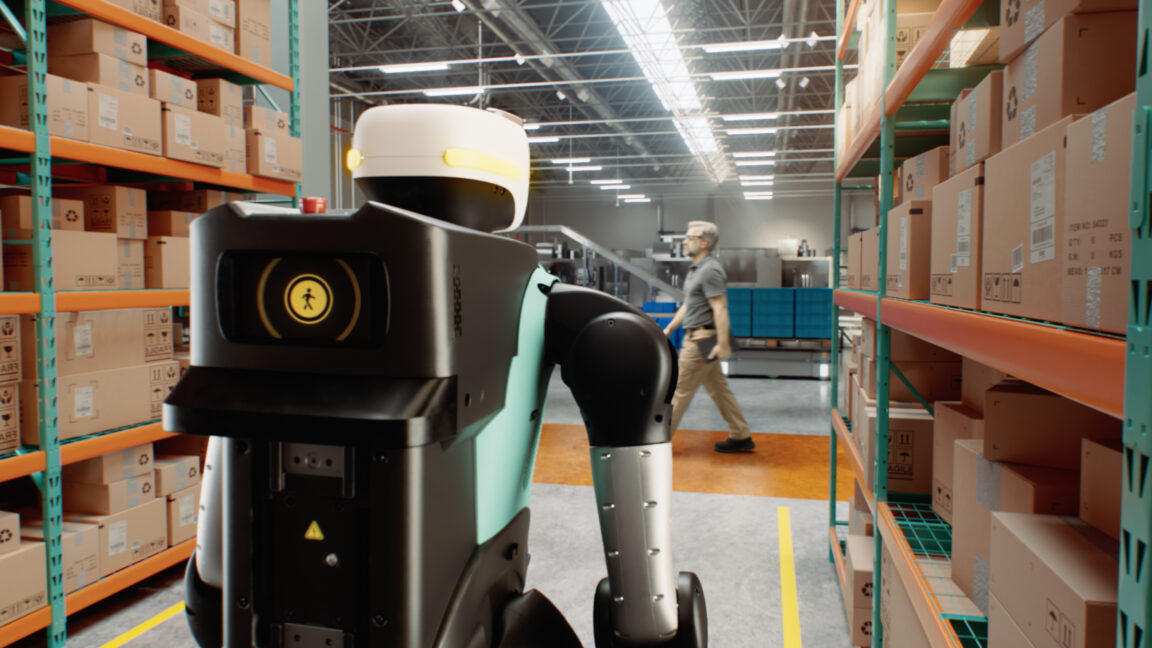
Nvidia's Halos system launched in 2025 with hardware and software tools to help developers implement guardrails in self-driving cars and other autonomous vehicles. Then the company expanded its safety architecture to more physical AI technologies by announcing Nvidia Halos for Robotics in June 2026—with the goal of enabling safe deployments of autonomous mobile robots in warehouses, humanoid robots walking around inside a factory, or even surgical robots.
“Now the AI models are getting capable, the robot hardware is getting capable, and a thing we thought is going to be the next bottleneck is safety,” Amit Goel , head of robotics ecosystem and edge computing at Nvidia, told Ars. “So that's why we launched our Halos for Robotics to unlock the capability of these systems.”